Don’t Wait for the Gavel: Five Ways to Safeguard Voting Before the Watson Decision
The countdown to the 2026 midterms has already begun — but for hundreds of thousands of Americans, the fundamental rules of how to return a mail ballot hang in the balance before the U.S. Supreme Court.
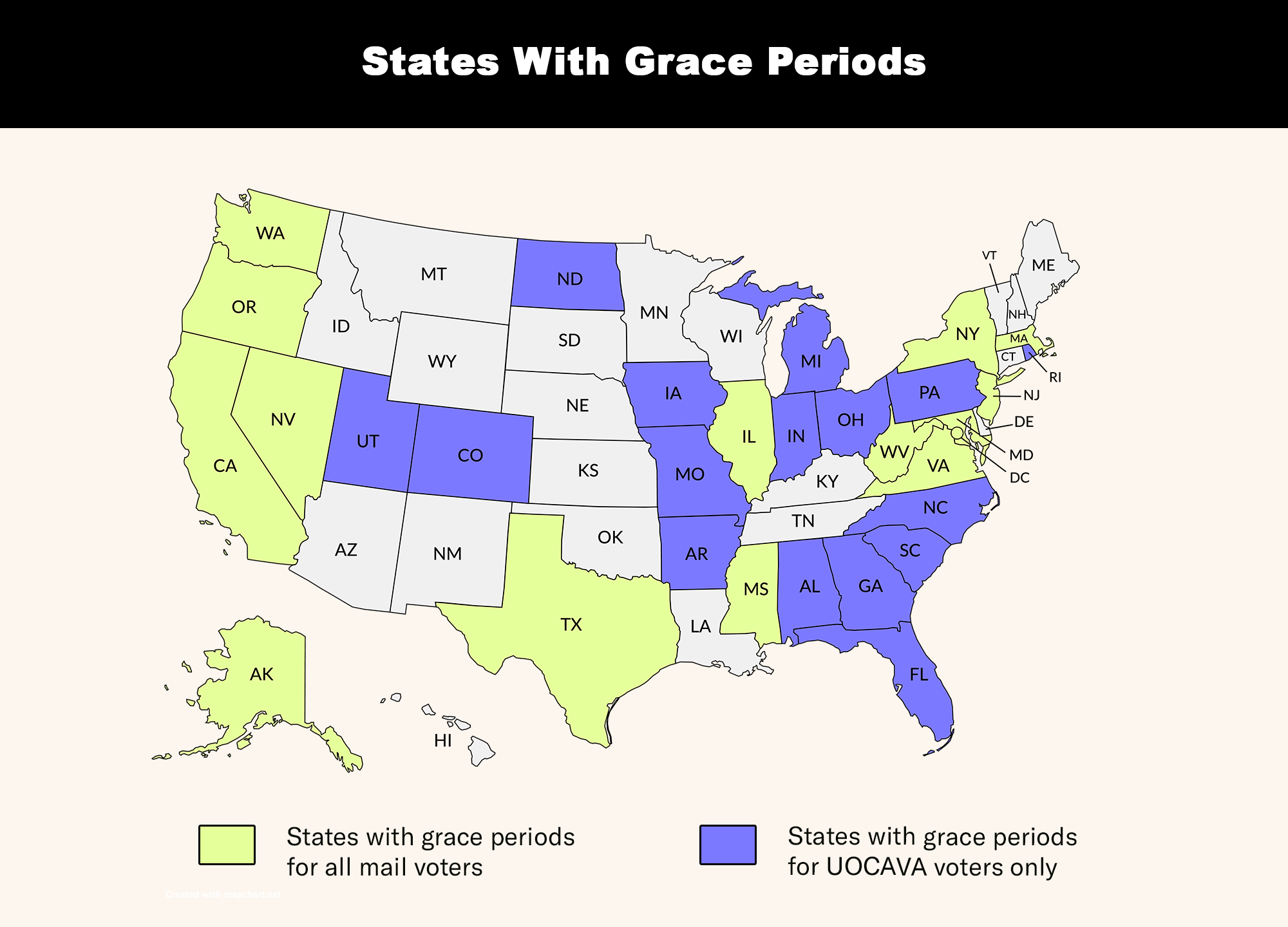
In Watson v. RNC, the Republican National Committee is challenging a Mississippi law. The law allows ballots received a few days after Election Day to be counted — as long as they are postmarked on or before Election Day. Mississippi is one of 30 states with grace periods. These grace periods allow at least some voters’ mail ballots to be counted if they are sent by Election Day but received afterward. Specifically:
- Fourteen states and Washington, D.C., currently have postmark deadlines with grace periods for all mail ballots. In these states, many voters — especially rural voters, voters without access to drop boxes or early voting sites, and voters who experience unexpected mail-delivery delays — often rely on grace periods to ensure their ballots are counted.
- Sixteen additional states provide a grace period specifically for military and overseas voters.
Voters, state lawmakers, and election officials do not need to wait for a final ruling. Amid growing attacks on mail voting, states with grace periods should take proactive steps now to prevent last-minute confusion and ensure every eligible vote is counted.
Three Potential Outcomes
There are three potential outcomes of the case. The case is expected to be decided in the next six weeks:
- Outcome 1 (Status Quo Upheld): The court could uphold Mississippi’s postmark deadline. States will continue to be allowed to accept mail ballots postmarked on or before Election Day. A decision like this may or may not include limitations on states’ acceptance of ballots with missing or illegible postmarks.
- Outcome 2 (Grace Periods Invalidated): A ruling for the RNC would immediately invalidate laws in 14 states and D.C. (including Mississippi). These laws allow mail ballots postmarked on or before Election Day to be counted.
- Outcome 3 (UOCAVA Grace Periods Eliminated): In addition to grace periods currently available to all voters, the court could also strike down grace periods in 16 states and D.C. specifically designed for military members and Americans living abroad (UOCAVA voters). These voters rely on often-unreliable international mail to cast their ballots.
Five Recommendations: A Roadmap for State Action
Grace periods are not a prerequisite for mail voting. Many states, such as Colorado and Utah, have strong mail voting systems and do not offer grace periods. Here are five practical steps lawmakers should take to protect the freedom to vote, no matter how the court rules in Watson:
1. Diversify Ballot Return Options
Once a voter mails a completed ballot, they have no control over how long it takes to reach the election office. Grace periods account for this uncertainty. If states are no longer able to offer the peace of mind that comes with grace periods, they can adopt other policies to help states move beyond total reliance on the U.S. Postal Service for ballot returns. States should ensure the following policy alternatives are in place:
- Secure Drop Boxes: Establish a robust network of official drop boxes. These secure containers allow voters to bypass the mail system entirely, ensuring their ballots reach election officials on time. States like Colorado and Utah offer strong drop box models that other states can follow.
- Polling Place Return: Allow voters to hand-deliver completed mail ballots to any early voting or Election Day site. This option gives voters flexibility and the peace of mind knowing that their ballots are delivered securely and on time.
- Direct-to-Tabulator Scanning: Permit voters to bring their mail ballot to a polling place or election office and scan it directly into a tabulator. This system — pioneered in Arizona — provides voters with instant verification that their vote has been counted. It also speeds up the release of election results and reduces the burden on election officials.
2. Expand In-Person Early Voting
With a strict Election Day receipt deadline for mail ballots, in-person voting opportunities are even more essential. They ensure that voters do not need to request a mail ballot to cast their vote before Election Day.
- States should guarantee at least 14 days of early voting, including weekends.
- States should establish statewide standards regarding the minimum number and location of early voting sites.
- States should implement countywide vote centers so voters can return ballots at any location convenient to them.
3. Implement Robust Ballot Tracking
When voters can track their ballot in real time and see when it is received and counted, it inspires confidence in mail voting and our elections as a whole.
- States should adopt easy-to-use tracking systems, such as BallotTrax. These systems alert voters when their ballot is mailed, received, and counted. If unexpected delays occur, these ballot-tracking systems can help voters decide to switch to in-person voting if necessary.
4. Invest in Statewide Voter Education
A Watson decision could result in last-minute changes to mail voting deadlines — making public education all the more important. Even in states with alternative voting options, states should ensure voters and election officials alike fully understand the new rules before voting begins.
- State and local election officials should prepare to launch campaigns to teach voters that “postmarked by” is no longer the standard deadline.
- State authorities (including attorneys general, state courts, and state election officials) should prepare clear, uniform guidance for local election officials. This guidance will help ensure officials apply the law consistently across every county.
5. Protect Military and Overseas Voters
The Watson case comes amid coordinated attacks on mail voting — from partisan litigation to new legislative restrictions at the state and federal levels. To ensure these voters are counted, states offering grace periods for these voters should advance the following proactive measures:
- Electronic Ballot Return: States should provide secure, dedicated online portals for military and overseas voters to return their ballots, as successfully implemented in states like Nevada and West Virginia.
- Federal Reform: State lawmakers and election officials should advocate for changes to strengthen federal law, including establishing a uniform, nationwide seven-day grace period and ensuring access to a secure electronic ballot return system.
The Time to Act is Now
Changing mail voting rules months before the midterms risks widespread confusion and administrative strain for both voters and election officials. The good news is that states have the power to blunt the worst impacts of a dangerous Watson ruling. By enacting proactive reforms before the Supreme Court rules in this case and educating voters about any changes after, lawmakers can ensure that every eligible American’s vote is counted this November.
Stay Informed: Get the latest updates and analysis on the Supreme Court cases shaping how Americans vote and who is represented.